Health Benefits of Moringa: The Miracle Tree for Better Living
Moringa oleifera, often called the “Miracle Tree” or “Drumstick Tree,” has been used for centuries in traditional medicine across Asia and Africa. Packed with essential nutrients, antioxidants, and healing compounds, moringa has gained global recognition as a powerful superfood.
Let’s explore the impressive health benefits of moringa and why it stands out among common fruits and vegetables.
🌿 What Is Moringa?
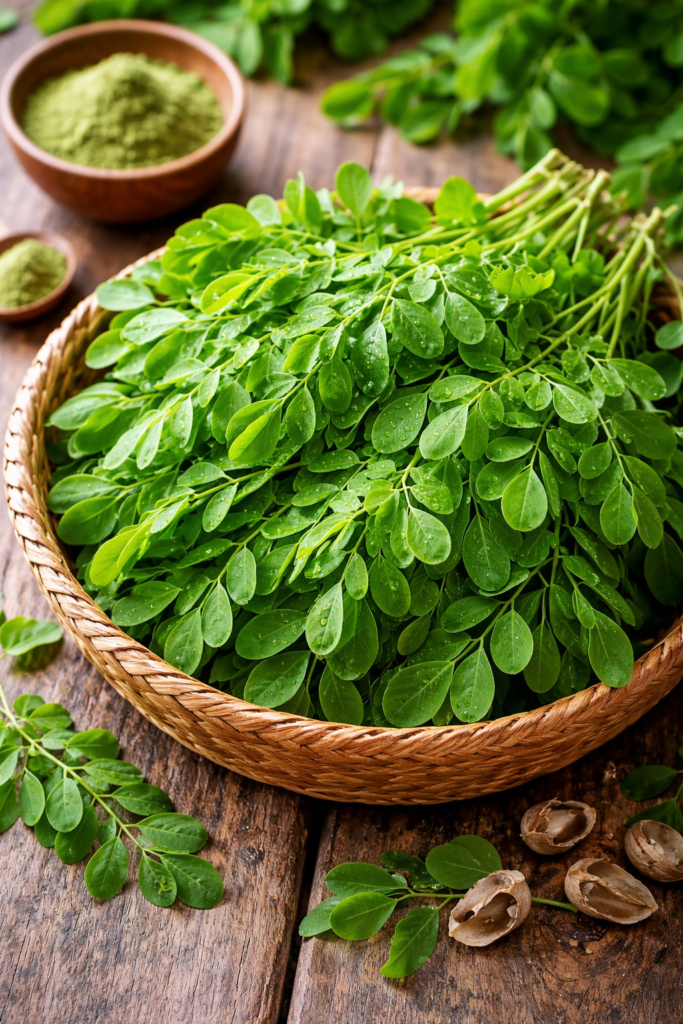
Moringa is a fast-growing tree whose leaves, pods, seeds, and roots are all edible. Among these, moringa leaves are the most nutritious and widely consumed, often used as powder, tea, capsules, or fresh greens.
🥗 1. Rich Source of Essential Nutrients
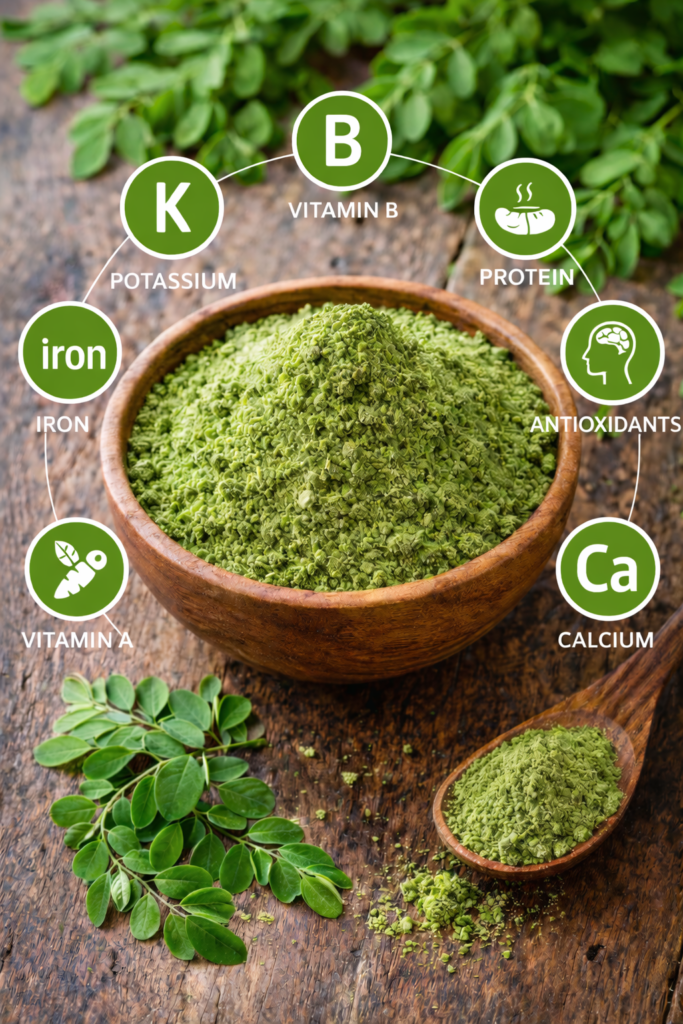
Moringa leaves are loaded with vitamins and minerals, including:
Vitamin A – supports eye health
Vitamin C – boosts immunity
Calcium – strengthens bones
Iron – helps prevent anemia
Potassium – supports heart health
Protein – contains all 9 essential amino acids
This makes moringa especially beneficial for vegetarians and vegans.
🥗 2. Nutrient Powerhouse: How Moringa Compares to Other Foods
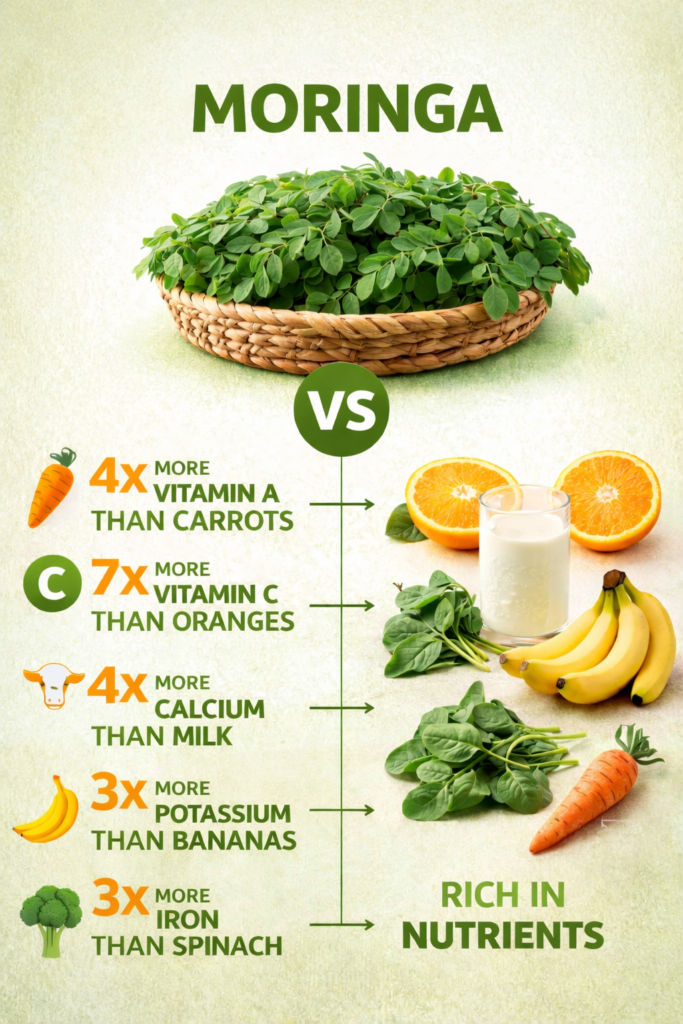
Moringa leaves contain an exceptional concentration of vitamins and minerals. In fact, gram for gram, moringa often outperforms commonly eaten fruits and vegetables.
🔍 Nutrient Comparison (per 100g)
Nutrient
Moringa Leaves
Compared Food
Result
Vitamin C
~188–279 mg/100 g
Oranges (53 mg)
~4× more than oranges(fresh leaves)
Vitamin A
~2000 µg
Carrots (167 µg)
~10× more than carrots (dried leaves)
Calcium
~1300–2600 mg
Milk (125 mg)
~10× more than milk (dried leaves)
Iron
~25–28 mg
Spinach (2.7 mg)
~10× more than spinach (dried leaves)
Potassium
~1300–2000 mg
Bananas (358 mg)
~4× more than banana (dried leaves)
Protein
~25–30 g
Yogurt (3.5 g)
~7× more protein (dried leaves)
👉 This makes moringa especially valuable in regions with limited food variety and for vegetarians, vegans, and athletes.
3. Rich in Antioxidants
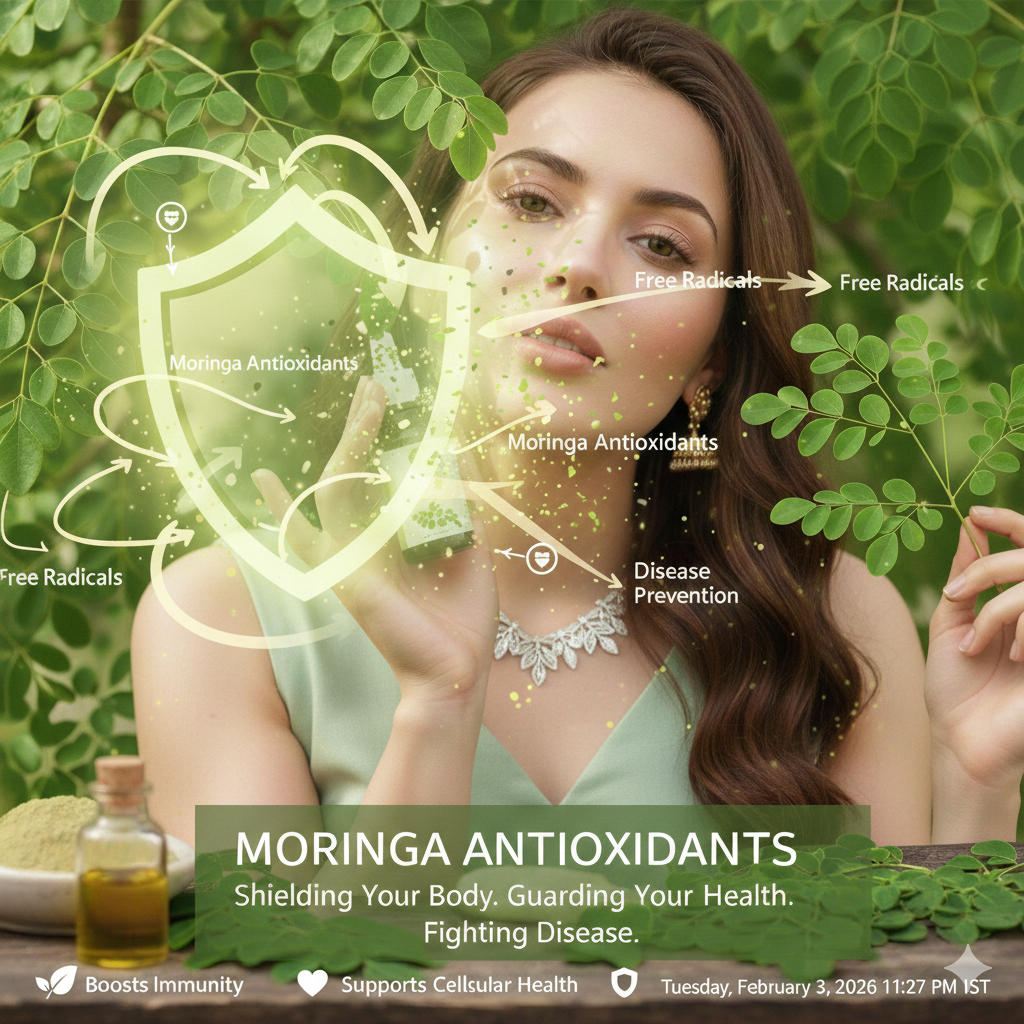
Moringa contains powerful antioxidants such as quercetin, chlorogenic acid, polyphenols, and beta-carotene, which help:
Neutralize free radicals
Reduce oxidative stress
Slow aging
Lower the risk of chronic diseases
4. Supports Heart Health
Moringa helps improve cardiovascular health by:
Lowering LDL (bad) cholesterol
Regulating blood pressure
Reducing arterial inflammation
These properties help reduce the risk of heart disease and stroke
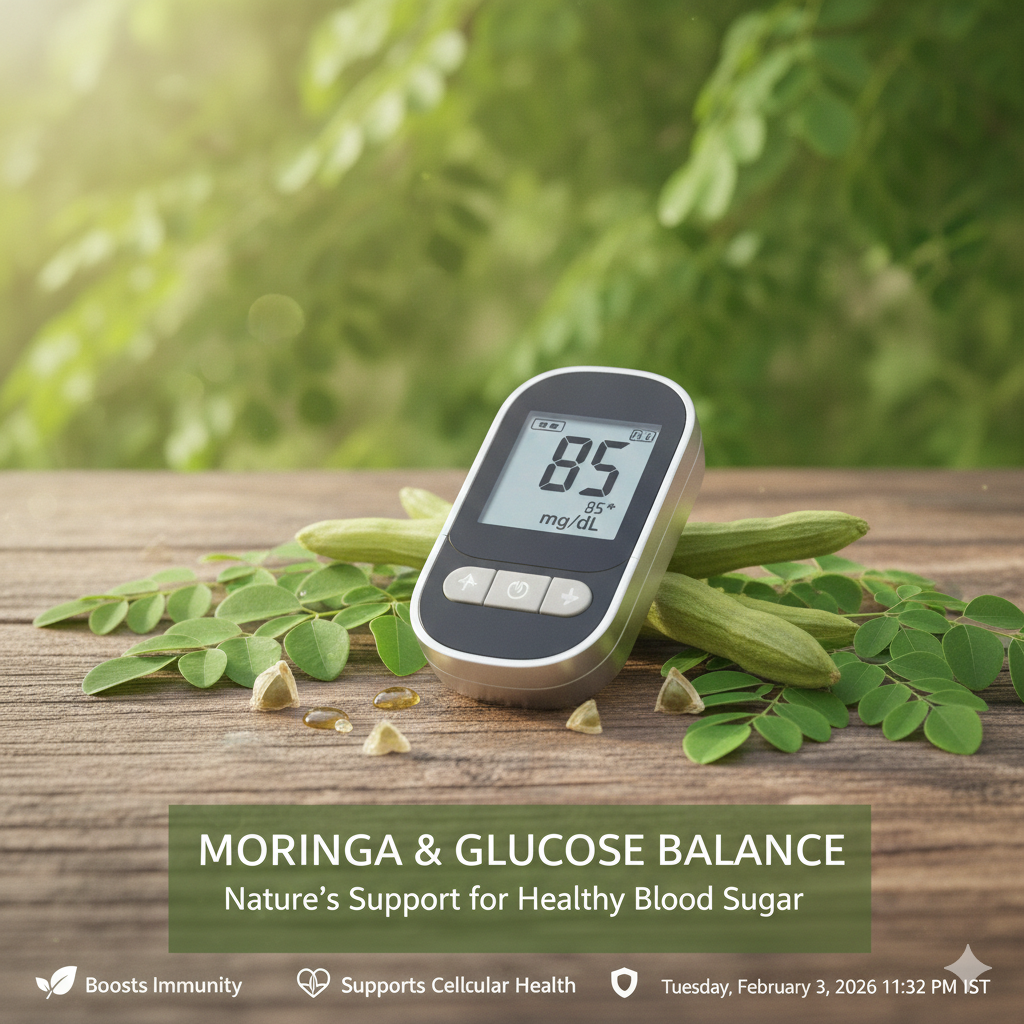
🩸 5. Helps Regulate Blood Sugar Levels
Moringa has been shown to help lower blood glucose levels and improve insulin sensitivity. This makes it beneficial for people with diabetes or those aiming to maintain stable energy levels.
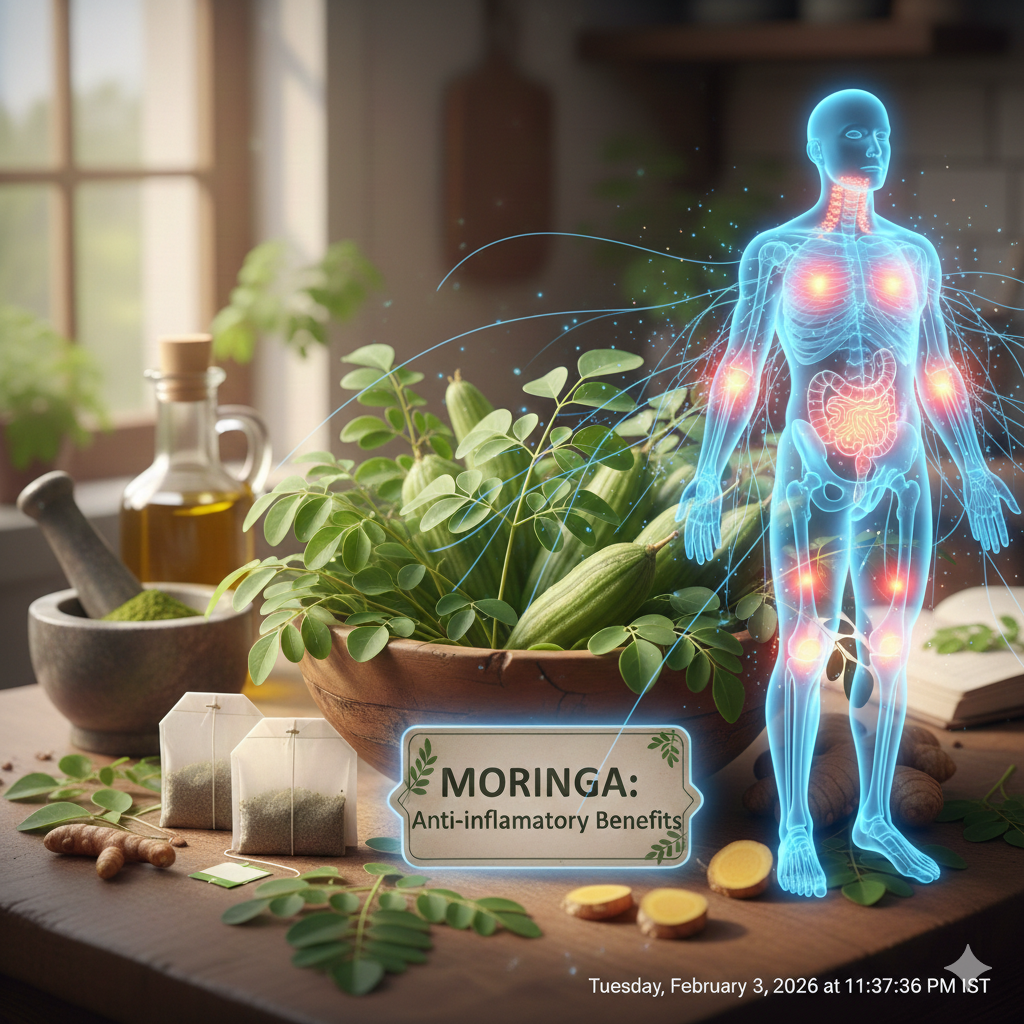
🔥 6. Natural Anti-Inflammatory Properties
Chronic inflammation contributes to conditions like arthritis, obesity, and autoimmune diseases. Moringa contains isothiocyanates and flavonoids that help reduce inflammation naturally.
🧠 7. Enhances Brain Function and Mental Health
Moringa supports brain health by:
Improving memory and concentration
Supporting neurotransmitter balance
Helping manage stress and anxiety
Its vitamin E and antioxidant content protect brain cells from oxidative damage.
✨ 8. Promotes Healthy Skin and Hair
Moringa’s nutrients help:
Improve skin elasticity and glow
Reduce acne and inflammation
Strengthen hair roots
Prevent dandruff and premature aging
Moringa oil is widely used in natural skincare and haircare products.
☕ How to Consume Moringa
Moringa can be consumed in various forms:
Powder mixed into smoothies or water
Herbal tea
Capsules or supplements
Fresh leaves cooked like spinach
⚠️ Tip: Start with small quantities and consult a healthcare professional if pregnant or taking medication.
🌱 Final Thoughts
Moringa is more than just a plant — it’s a nutritional powerhouse. When compared to common fruits and vegetables, moringa delivers higher levels of essential nutrients, antioxidants, and plant protein.
Including moringa in your daily diet is a simple, natural way to support overall health and wellness.